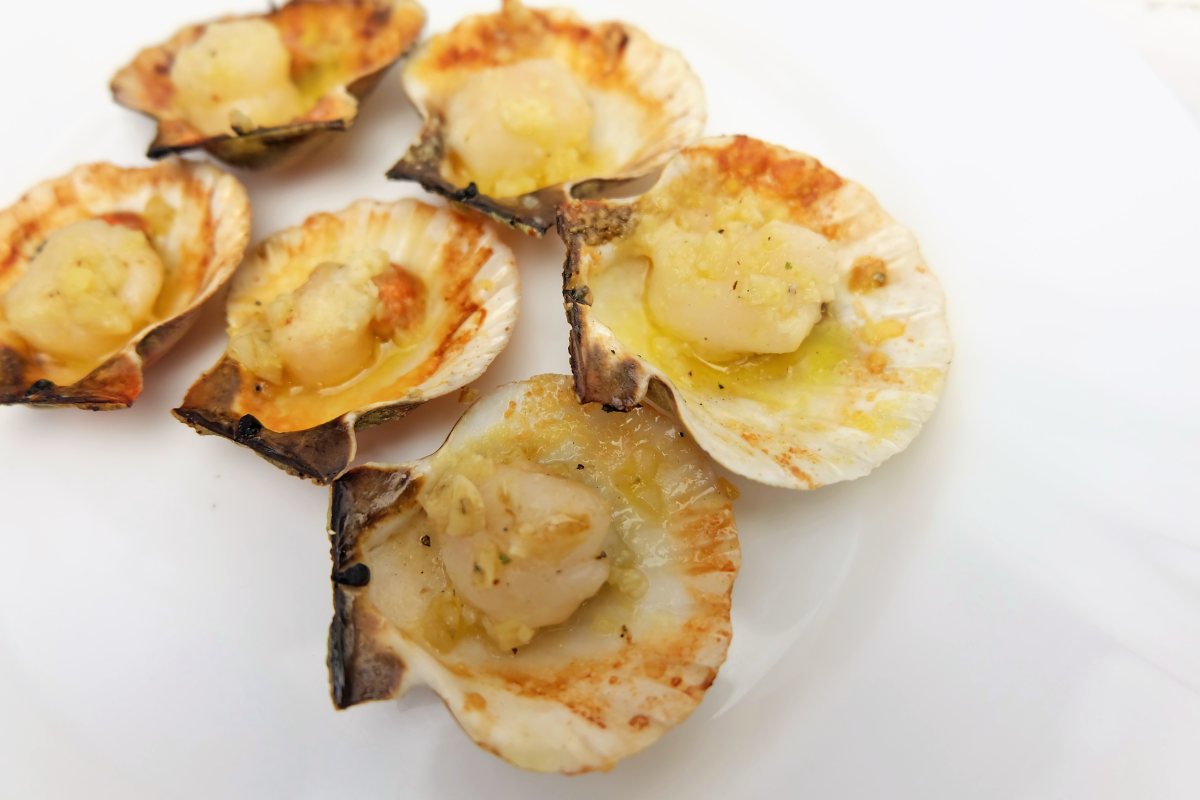
The Cultural Heritage of My Khe Beach Charcoal Grilled Seafood (Hải Sản Nướng Mỹ Khê – Sơn Trà) in My Khe Beach & Vo Nguyen Giap Boulevard, Da Nang
Voted among the most picturesque coastlines in the world, My Khe Beach in Da Nang comes alive at dusk when open-air seafood eateries light their charcoal braziers.
Fishermen from Man Thai village bring in live scallops, flower crabs, tiger prawns, and translucent tube squid caught just hours earlier off the Son Tra Peninsula.
Da Nang coastal grilling relies on intense live-fire heat and aromatic toppings like sizzling scallion oil, roasted peanuts, and tangy tamarind glazes.
Every morning across My Khe Beach & Vo Nguyen Giap Boulevard and along the breezy banks of the Han River, multi-generational family kitchens begin preparing My Khe Beach Charcoal Grilled Seafood long before sunrise.
For travelers and home cooks in the United States, the United Kingdom, Canada, and Australia, recreating Hải Sản Nướng Mỹ Khê – Sơn Trà at home offers an unforgettable window into Central Vietnam's vibrant coastal gastronomy.
Unlike rushed restaurant adaptations, a truly authentic homemade batch relies on patience, fresh aromatics, and the delicate interplay of sweet, sour, salty, spicy, and herbal notes that define Da Nang cooking.
In Central Vietnamese culinary philosophy, food is never meant to be one-dimensional.
Every mouthful of My Khe Beach Charcoal Grilled Seafood is designed to engage all five senses: the golden visual warmth of natural spices, the fragrant steam of bruised lemongrass and shallots, the crunch of toasted nuts or crisp rice paper, and the cooling finish of garden-fresh herbs harvested from nearby Tra Que village.
Essential Ingredients & Smart Supermarket Substitutions
For an authentic Da Nang coastal seafood feast at home, assemble 12 fresh half-shell scallops (So Diep), 500 grams of head-on tiger prawns, 400 grams of cleaned whole squid scored in a diamond pattern, one bunch of finely chopped green scallions, 80 grams of crushed roasted peanuts, crispy fried shallots, two tablespoons of tamarind pulp dissolved in warm water, satay chili oil (Sa Te), and green bird’s eye chilies.
When shopping for this recipe outside Vietnam, visit a well-stocked Asian grocery store or use reliable everyday supermarket equivalents.
Always look for first-press anchovy fish sauce (Nuoc Mam Nhi) with a high nitrogen protein rating, unrefined peanut or coconut oil for frying aromatics, and fresh lime juice rather than bottled citrus.
If you cannot find Central Vietnamese small purple shallots, French echalion shallots or finely diced red onions mixed with a clove of crushed garlic will deliver a wonderfully similar aromatic foundation.
Pro Tip on Choosing Fresh Aromatics
When selecting lemongrass stalks, choose firm, pale-green bulbs that feel heavy for their size and have not dried out at the cut base.
Remove the woody outer layer and smash the tender white core firmly with the flat side of a chef's knife before mincing—this ruptures the natural citrus oil cells and releases twice as much aroma into your pan.
Step-by-Step Traditional Da Nang Cooking Method
Step 1: Prepare the signature Da Nang scallion oil (Mo Hanh) by placing chopped green onions and a pinch of salt in a heatproof bowl and pouring four tablespoons of smoking-hot peanut oil directly over them so they turn bright emerald green.
Step 2: Score the squid tubes and marinate for fifteen minutes with minced lemongrass, garlic, turmeric, and chili satay paste, then grill over high charcoal heat for two minutes per side.
Step 3: Place the half-shell scallops directly on the grill grate; as the natural sea juices bubble, spoon a teaspoon of emerald scallion oil onto each scallop and cook for ninety seconds.
Step 4: Toss the grilled tiger prawns in a bubbling skillet of sweet-and-sour tamarind glaze until glossy and caramelized.
Controlling Heat and Timing in the Kitchen
One of the most important secrets shared by seasoned home cooks in Da Nang is temperature discipline.
When caramelizing shallots, garlic, and turmeric in oil, keep your burner at medium-low so the aromatics turn translucent and golden without scorching.
Bitter burnt garlic will overpower the delicate sweetness of coastal seafood and pork broth.
Once your liquids are added, maintain a gentle, lazy bubble rather than a rolling boil so proteins remain juicy and tender.
How to Serve My Khe Beach Charcoal Grilled Seafood with a Traditional Central Vietnamese Herb Platter
Garnish every platter with fresh Vietnamese coriander (Rau Ram), laksa leaves, cucumber wedges, and individual dipping saucers of green chili seafood salt (Muoi Ot Xanh) mixed with fragrant kumquat or lime juice.
To wash and prepare your herb basket like a Da Nang local, submerge the leafy greens in a large bowl of cold water with a pinch of sea salt for five minutes, then spin them completely dry in a salad spinner.
Wet herbs will dilute your dipping sauce and cool down warm noodles, whereas crisp, dry leaves cling to the savory broth and release their essential oils the moment you take a bite.
Chef's Troubleshooting, Make-Ahead Storage & Reheating Guide
Seafood cooks in a fraction of the time of red meat.
Remove scallops and squid from the grill the very second they turn opaque—residual heat on the shell will finish cooking them while keeping their texture buttery and tender.
Whether you are hosting a weekend family dinner or meal-prepping authentic Vietnamese comfort food for the week ahead, My Khe Beach Charcoal Grilled Seafood rewards careful preparation.
Store the aromatic broth or dipping sauce, the cooked protein, and the fresh raw vegetables in separate airtight glass containers in the refrigerator for up to three days.
When ready to serve, gently reheat the savory components on the stovetop with a splash of water or stock, assemble with fresh herbs just before sitting down at the table, and enjoy the true taste of Da Nang right in your own dining room.